
How Much Does Attic Spray Foam Insulation Cost in Indiana?
December 29th, 2025
4 min read
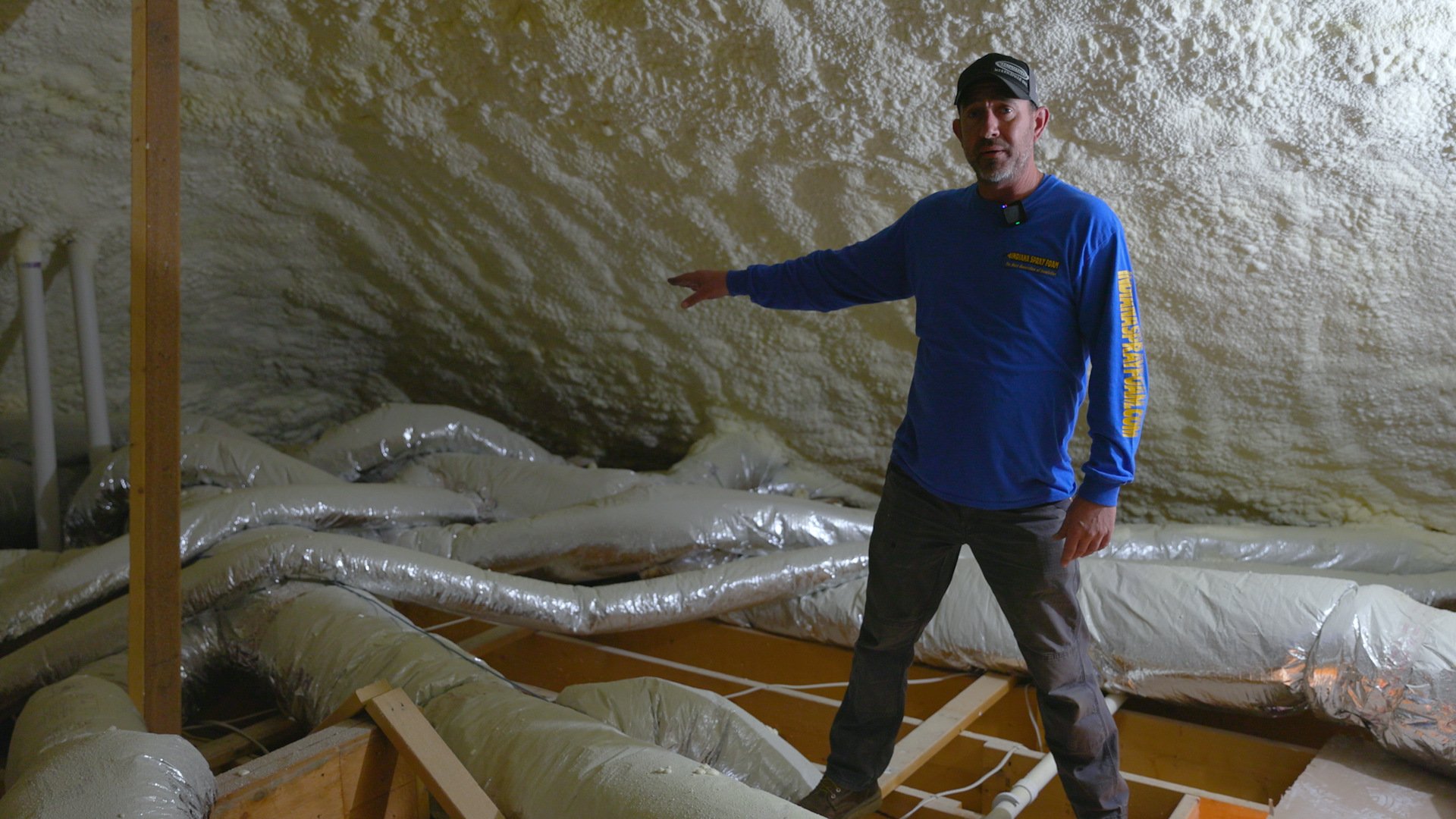
If you’re an Indiana homeowner dealing with cold drafts in winter, hot rooms in summer, or an attic that never seems to stay the right temperature, you’ve probably wondered: “How much does attic spray foam insulation cost in Indiana?”
As someone who’s worked with homeowners across Northwest Indiana, Central Indiana, and Chicagoland for years, we know this question comes up all the time. The truth is that spray foam in the attic isn’t the cheapest insulation option, but it’s often the one that finally solves those long-standing comfort problems in older homes. And when you understand what goes into the cost, you can make a confident, informed decision.
Let’s walk through realistic cost ranges, what affects the price, and whether spray foam is worth it for your home.
Why Many Indiana Homeowners Choose Spray Foam for Their Attic
A lot of homes in our region, especially those built before 1990, weren’t insulated with modern standards in mind. Maybe your attic has old fiberglass batts, or a thin layer of blown-in insulation that’s settled over the years. You might even have ductwork running through a very hot or very cold attic, which makes your HVAC system work overtime.
Spray foam helps solve these issues because it does two important things at once: insulates and air-seals. Instead of warming or cooling a leaky attic, spray foam is installed along the roof deck, transforming the attic into a conditioned part of the home. That means fewer drafts, less temperature fluctuation, and a home that actually feels the way it should.
We hear from homeowners all the time who say their bonus room finally became usable, their upstairs stopped overheating in July, or their winter energy bills became more predictable after their attic was foamed. That level of improvement is exactly why spray foam costs more than fiberglass or cellulose, but also why many people see the value.
What You Can Expect to Pay for Attic Spray Foam Insulation in Indiana
While every home is different, most of the existing homes we see fall into three common size categories: a 1,200-square-foot ranch, a 2,400-square-foot ranch, and a larger 3,500-square-foot two-story home. Below are realistic average price ranges for open-cell spray foam, which is what is typically used for attic roof decks.
1,200 sq ft ranch Average Attic Spray Foam Cost Budget Range
$5,000 to $7,000
2,400 sq ft ranch Average Attic Spray Foam Cost Budget Range
$10,000 to $12,000
3,500 sq ft two-story Average Attic Spray Foam Cost Budget Range
$14,500 to $16,500
These prices assume open-cell foam and standard conditions. Closed-cell foam, thicker applications, or tricky attic layouts will push costs higher. And if old insulation needs to be removed, which it often does, that adds additional labor and disposal costs.
What Affects the Price of Attic Spray Foam in Indiana?
Several factors influence what your final estimate looks like, and understanding them helps you compare quotes more accurately.
The Type of Spray Foam
Open-cell foam is the most common choice for attics because it offers excellent air-sealing at a lower cost. Closed-cell foam is denser, more expensive, and typically used in situations that require added moisture resistance or structural strength. Most Indiana attic retrofits use open-cell unless you have a specific reason to choose otherwise.
Attic Size and Shape
A wide-open ranch attic is usually straightforward. But a steep roof pitch, tight crawl spaces, multiple dormers, or lots of obstructions can increase installation time. More labor means a higher price.
Removing Old Insulation
If your attic has decades-old fiberglass, matted batts, or debris that needs to come out before foam can be applied, that removal will be factored into the estimate. Some homeowners are surprised to learn how long it takes to clean out an attic properly, and it’s an important step in getting the full benefit of foam.
Foam Thickness and R-Value
Most Indiana homes will require 6-7 inches of open-cell spray foam in the attic, but not every home needs the same depth of spray foam. A conditioned attic typically aims for performance rather than simply hitting a specific R-value, but thicker applications do use more material.
Access and Prep Work
Attics with easy access cost less. Homes with tight attic entrances or limited workspace take more time and require more safety prep. If ventilation adjustments or air-sealing steps are needed before foam can go in, those also affect the final number.
How Spray Foam Compares to Alternative Insulation Options
You may be weighing spray foam against blown-in cellulose or fiberglass. Those products cost far less upfront and can be a good fit for certain homes. But they don’t seal air leaks, they can settle over time, and they don’t address extreme attic temperature swings the way spray foam does.
For homeowners who simply want a cheaper way to add R-value, blown-in insulation can work. But if your main goal is comfort and long-term efficiency, especially in an older Indiana home, spray foam delivers results you can actually feel.
Is Spray Foam Worth the Cost?
For many homeowners, yes — especially if you’re dealing with high energy bills, rooms that never stay comfortable, or an attic that’s been under-insulated for years. Spray foam can lower the workload on your HVAC system, create more consistent temperatures throughout the home, and eliminate those seasonal frustrations that make your house feel drafty in the winter or stuffy in the summer.
Most homeowners choose spray foam because they’re tired of wasting money on temporary fixes. They want something that works, and works long-term.
Get a Local, Accurate Estimate You Can Trust
Every home is different, and the best way to get a clear answer for your attic is to have a local spray foam professional look at it. When we come out to your home, we’ll inspect your attic, look at your existing insulation, explain what’s needed, and give you a transparent, no-pressure quote.
If you’re ready to finally make your home comfortable year-round, let’s take the next step together.
